CityLimits · Op-Ed
New York City Must Act to Preserve Its Rent-Stabilized Housing
By Michael Lappin · May 8, 2026
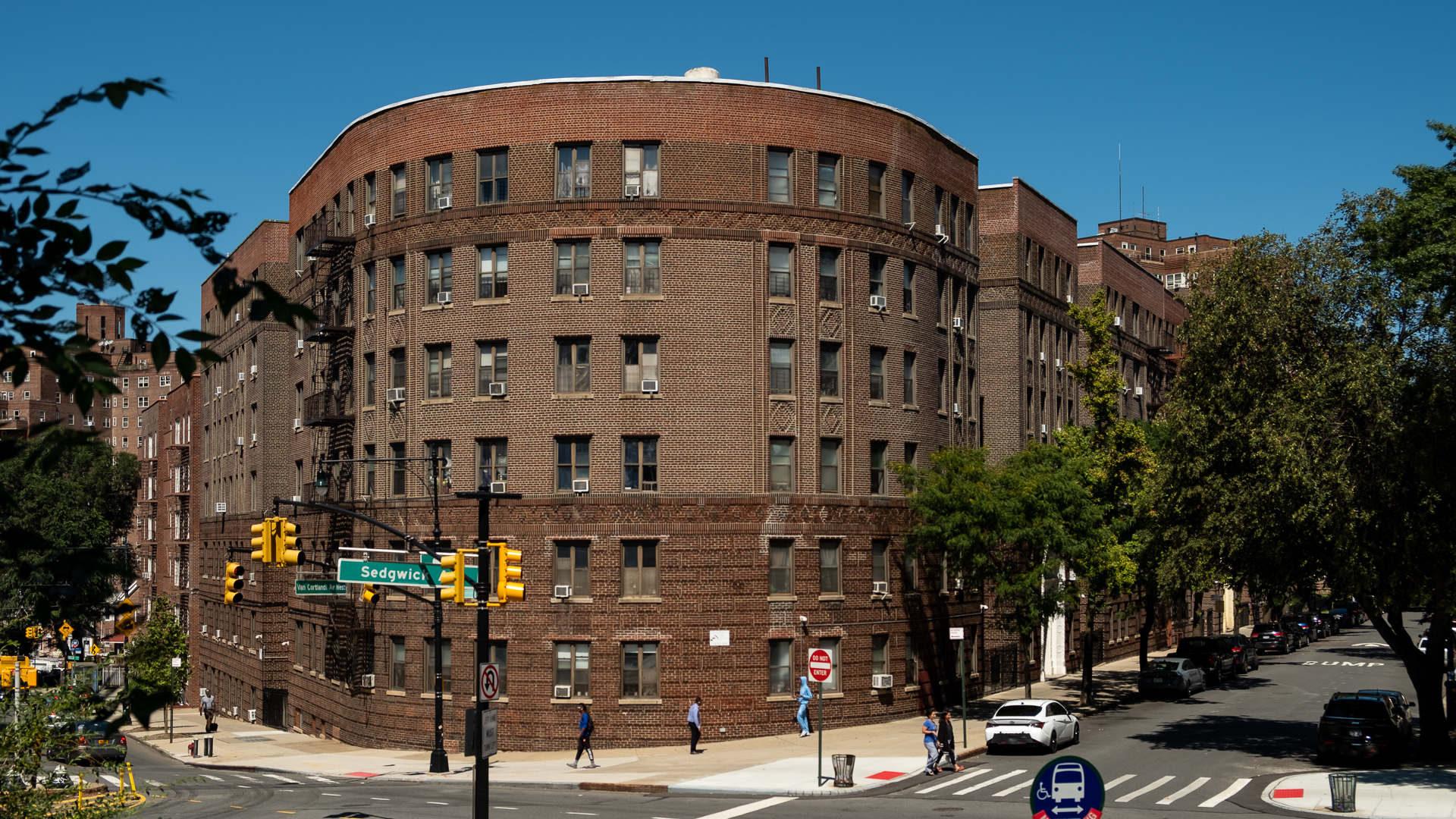
This is not a debate about rescuing landlords. It is about preventing avoidable deterioration in housing that remains essential to the city's economic and social fabric.
The system that sustains New York City's rent stabilized housing has been badly fractured. We need to balance physical and financial soundness with affordability.
In 1974 when the major banks founded the Community Preservation Corporation (CPC), its animating principle was to work with government to build and maintain a legislative and regulatory framework capable of renewing and sustaining the city's neighborhood housing. Lenders, government, and civic institutions alike must renew that commitment—to both protect this housing and its residents.
Start with the growing financial distress in city-subsidized, rent-stabilized housing. A recent report from the New York Housing Conference (NYHC) documents how rising operating costs—unmatched by comparable rent growth—are pushing many buildings toward mortgage default, with serious implications for financing both the preservation of existing housing and the building of new housing. Some 213,000 apartments are affected.
NYHC recommends a number of sensible actions to address this, including resetting rents on vacancies affordable to households at 60 percent of the area median income (AMI), and avoiding lengthy delays in re-renting apartments. They also recommend $1 billion of new funds to protect the over $16 billion of public funds invested to build and/or renovate properties developed over the last two decades.
That is alarming. But it is only part of the story. An even larger segment of rental buildings faces serious problems—a category that NYU's Furman Center defines as "legacy" rent stabilized buildings. These include non-subsidized buildings, built before 1974—over half built before World War II—that contain six or more units, with 90 percent or more of their apartments rent stabilized. These buildings are largely privately owned, and are predominantly located in the city's low and moderate-income communities.
They are under pressures comparable to subsidized buildings, but with fewer tools available to prevent decline. These buildings anchor low-income and working-class neighborhoods across the Bronx, Queens, Brooklyn and northern Manhattan. If they falter, the consequences will be measured not just in balance sheets, but in deteriorating housing conditions for hundreds of thousands of New Yorkers.
The Furman Center estimates that about 456,000 pre-1974, non-subsidized apartments exist citywide in these legacy buildings—nearly two and a half times the number of the city's public housing units. About 200,000 of these apartments are located in the Bronx alone, where median household income among tenants is about $42,500, less than 35 percent of the AMI. Citywide, the median income of rent-stabilized tenants is about $60,000.
These are not high-rent buildings. Median rents are about $1,340 per month. And unlike subsidized housing, these buildings typically pay full real estate taxes, which consume about one-fifth of their rental income. Once taxes are accounted for, the rental difference between the subsidized and legacy buildings largely disappears.
Over the past decade, safety-net programs such as J-51 tax abatements have diminished and low-interest rehabilitation loans have been underfunded. The 2019 HSTPA sharply restricted revenue growth, eliminating vacancy increases and constraining recovery of funds for both individual and building-wide capital investments. During the pandemic, tenant nonpayment rose. Insurance premiums, fuel, water and sewer, and labor costs climbed.
While most subsidized housing often carries long-term fixed-rate public and private debt, legacy buildings often rely on five- to seven-year private loans. During the last several years, interest rates almost doubled, from 3 to 6 percent. When those loans reset at today's rates, the result can be unsustainable.
These buildings house more than 900,000 New Yorkers. Allowing widespread deterioration or foreclosure would destabilize neighborhoods and ultimately cost more in emergency interventions than proactive stabilization would today.
New York has faced similar problems before. During the early 1990 recession, thousands of moderate-income cooperatives faced default on their underlying mortgages. The state responded by authorizing its mortgage insurance agency, SONYMA, to insure the restructured loans, most tied to rehabilitation plans supported by real estate tax relief through the city's J-51 program.
The Community Preservation Corporation helped facilitate restructurings, and once properties stabilized, long-term financing from the state pension funds followed.
The principle applies today. A comparable framework could restructure unsustainable debt, and pair it with targeted J-51 tax relief and low-interest city loans for needed work. SONYMA can encourage banks to write down loans to sustainable amounts with a suitable fixed-rate term (10-15 years) by providing insurance for the reduced mortgage. A structured program would provide clarity and avoid years of litigation and piecemeal defaults.
New York rightly emphasizes building new affordable housing. But preservation remains the most cost-effective housing strategy. Losing nearly half a million rent-stabilized apartments serving working-class tenants would undermine decades of progress.
The window to act is narrowing as rent increases are held below rising operating costs. A pragmatic package as described above can stabilize this housing stock before crisis becomes collapse. If policymakers move decisively now, they can protect tenants, neighborhoods and the long-term health of the city's rent-stabilized system.